What is tooth reshaping?

Key takeaways about tooth reshaping

  • Tooth reshaping is a procedure where small amounts of enamel are gently removed to smooth chips, correct minor imperfections, and create a more balanced, symmetrical smile.
  • It is typically completed in a single visit with no recovery downtime and is best suited for adults with healthy teeth and gums.
  • Tooth reshaping should only be done by a dental professional to avoid risks like sensitivity or damage.

When you hear the phrase “tooth reshaping”, do you find yourself thinking of pointed teeth trying to mimic your favorite vampire or people trying to recreate the iconic gap between their front teeth? If so, it may be time to expand your knowledge on the topic!

The truth is, tooth reshaping, also known as dental contouring or enameloplasty, is a dental procedure that slightly changes the shape, length, or surface of a tooth. While the treatment is typically subtle, it can make a noticeable difference in your smile’s overall appearance.

If you’ve ever wished a chipped tooth looked smoother or that your smile appeared more even, tooth reshaping may be an option worth exploring.

What is tooth reshaping?

As mentioned, tooth reshaping is a cosmetic procedure* in which a dentist improves the appearance of a tooth by removing small amounts of enamel.

Dentists may use tooth reshaping to:

  • Smooth out chipped or uneven teeth
  • Shorten teeth that appear too long
  • Improve the appearance of slightly crowded teeth
  • Create a more symmetrical smile
  • Remove small pits or grooves in enamel
  • Improve how teeth align with one another

*Note: Because tooth reshaping is considered a cosmetic procedure, it may not be covered by your dental benefits. Be sure to consult with your dental insurance company to understand coverage options and potential costs.

What happens during a tooth reshaping procedure?

Tooth reshaping is a common, quick, and painless process that can often be completed in a single dental visit with zero downtime afterward.

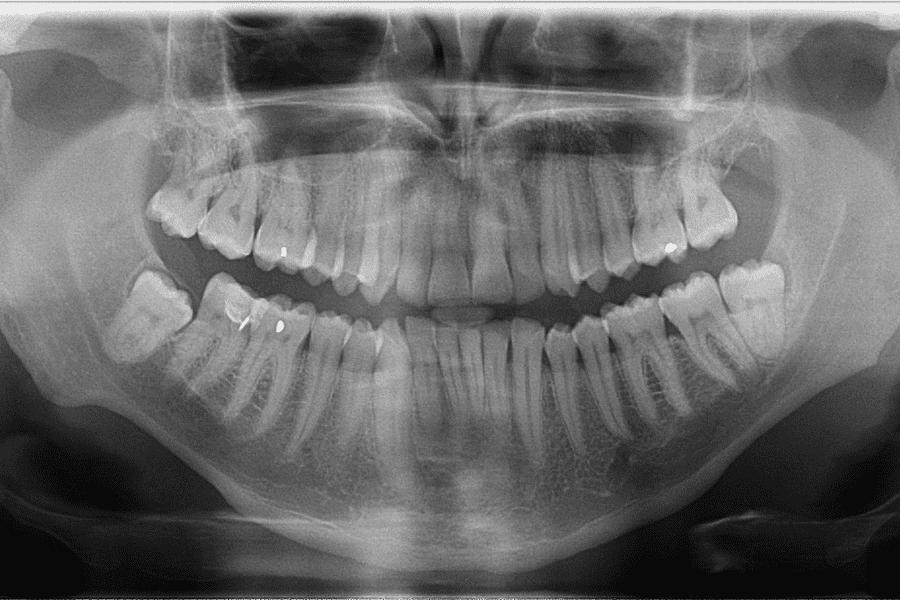
During the procedure, your dentist will examine your teeth to make sure they are healthy enough for reshaping. They may take X-rays to ensure the roots and bones are also stable. If the teeth aren’t healthy, removing enamel can cause additional damage. Therefore, restorative procedures like fillings or treatment for gum disease will need to be done before any tooth reshaping.

Once the teeth are ready, your dentist will use a variety of tools, such as sanding discs and abrasive strips (think tiny and gentle pieces of sandpaper), to shape the teeth to their desired appearance.

Since only the outer enamel is affected, anesthesia is often unnecessary unless reshaping is combined with another procedure.

Pro tip:To keep your new smile looking great, don’t use your teeth as tools; avoid smoking, vaping, and any other tobacco products; and keep up a good oral hygiene routine.

Who is a good candidate for tooth reshaping?

Tooth reshaping is best suited for adults with healthy teeth and gums who are looking to address minor cosmetic concerns.

The procedure may not be appropriate for more significant dental issues, including severe crowding, major chips, or weakened enamel. In those situations, your dentist may recommend other cosmetic or restorative options, such as a crown or braces.

Is tooth reshaping permanent?

Because tooth enamel cannot grow back, tooth reshaping is a permanent procedure.

Maintaining good oral hygiene habits and regular dental visits can help preserve the appearance of your smile after treatment.

Are there risks to tooth reshaping?

Tooth reshaping is generally considered safe when performed by a dental professional. It’s important to NEVER attempt to reshape your own teeth, as it can cause irreparable damage.

Also, removing too much enamel could increase tooth sensitivity or raise the risk of infection, cracked teeth, and cavities, underscoring the importance of having it done by a dentist.

Tooth reshaping can help restore confidence

Even small changes to your teeth can make a big difference in how you feel about your smile. Tooth reshaping offers a simple, minimally invasive option for improving minor imperfections and creating a more balanced appearance, which can be a big confidence boost!

If you’re curious whether tooth reshaping is right for you, talk with your dentist. They can evaluate your oral health, discuss your goals, and recommend the best treatment options for your smile.

How to protect your eyes at the pool

Key takeaways about protecting your eyes in the pool:

  • Protecting your eyes is important, especially when you’re enjoying time at the pool. Don’t let eye problems ruin your summer fun!
  • Although chlorine does a great job of keeping water clean, it also doesn’t eliminate everything that can harm your eyes.
  • Wearing sunglasses both in and out of the pool is a great way to protect your eyes from harmful ultraviolet rays.

Summertime typically means plenty of pool days. While splashing, doing cannonballs, or getting a workout in the lap lane is a great way to get energy out, it’s easy to forget to protect your eyes while you’re in the water.

Check out these simple tips to help keep your family’s eyes healthy, comfortable, and safe all summer long.

The dangers of pool water to the eyes

If you take a quick glance at people around a busy pool, you might notice red, irritated eyes.

Why does this happen?

Most of the time, the culprit is chemicals in the water.

One of the most common pool chemicals is chlorine, which is used to disinfect the water and help protect swimmers from harmful bacteria and viruses. While chlorine plays an important role in keeping public pools safe, it can also irritate your eyes. According to the Cleveland Clinic, exposure to chlorinated water may cause red, watery, or sensitive eyes after spending time in a pool or water park.

Although chlorine does a great job of keeping water clean, it also doesn’t eliminate everything. Bacteria and viruses that aren’t killed by chlorine, like those that cause pink eye, can still be lurking.

Furthermore, people who wear contact lenses in the water or have small cuts on their eyeballs are potentially more susceptible to infections from these bacteria and viruses.

How to protect your eyes at the pool

The good news is there are many ways you can protect your eyes at the pool:

Wear goggles while swimming

If you’re in the water often, it’s a smart idea to invest in good goggles to wear in the pool. Swim goggles work by reducing exposure to chemicals in the pool and help protect your eyes from surprise splashes. Both adults and kids should consider wearing goggles anytime they’re in the water.

For the best protection and comfort, look for goggles that fit securely without feeling too tight. Adjustable straps and a comfortable seal around the eyes and nose can help prevent leaks while making swimming more enjoyable.

Avoid faces during a splash fight

If splash fights are a common occurrence at the pool, make sure participants avoid splashing the eyes and faces of their opponents. It’s not always as fun, but serious splashing can cause eye injuries. With enough speed, the impact of these splashes can lead to eye irritation in minor cases or more serious injuries such as lens dislocation or hyphema, which is the pooling of blood in the eye.

Wearing goggles during splash fights can easily help protect your eyes.

Rinse eyes out afterward

Another way to protect your eyes after a day at the pool is to rinse them out with fresh, clean water or even a saline solution. This will help flush the chemicals and other irritants out of the eyes, and it can reduce eye irritation. It’s important to do this quickly after getting out of the water to stop chemicals from staying on your eyeballs too long.

According to the Cleveland Clinic, the following steps should be taken to flush eyes out correctly:

  1. Start with clean hands. Make sure to wash your hands with soap and water and dry them before starting.
  2. Take out contact lenses, if you wear them, prior to rinsing.
  3. Flush your eyes with a gentle stream of clean water or saline solution. Do your best to keep your eyes open as much as possible.
  4. Continue to rinse your eyes for up to 15 minutes, as needed.

Another option is rinsing your eyes off in the shower after swimming. Instead of looking directly into the water stream, let the water run gently over your forehead and down across your eyes to help wash away chlorine and other irritants.

Always wear sunglasses to protect your eyes

Wearing sunglasses both in and out of the pool is a great way to protect your eyes from harmful ultraviolet rays. Sunlight reflected off the water can lead to photokeratitis, or a sunburn on the corneas of the eyes.

Wearing sunglasses that have 100% UV ray absorption will help protect your eyes. If you don’t want to wear sunglasses in the pool, consider swim goggles with UV protection.

For more ways to protect your eyes from UV exposure, check out this blog.

Keep your eyes healthy all summer long

Taking steps to protect your eyes is important, especially when spending time at the pool this summer. A little prevention can help keep irritation, injuries, and infections from getting in the way of your fun.

If you do end up with an eye injury or infection, it’s important to see an eye doctor as soon as possible. Vision insurance like DeltaVision® makes it easy to find an eye doctor near you.

To learn more about vision insurance, check out “How to make the most of your vision insurance benefits before year-end.”

The link between Alzheimer’s and periodontal bacteria

Key takeaways about the connection between gum disease and Alzheimer’s disease:

  1. Periodontitis, also called gum disease, is a chronic oral health condition that can affect more than your mouth.
  2. Research has found that having gum disease may increase the risk of Alzheimer’s disease through inflammation and bacteria that can migrate to the brain.
  3. Brushing, flossing, and regular dental visits can help prevent gum disease and support long-term health.

Chances are, Alzheimer’s disease has touched your life in some way, whether through a parent, grandparent, or someone you love. It’s the most common cause of dementia in adults over 65 and one of the top 10 leading causes of death in the United States.

What makes this disease even more complex is how much we still need to learn about it, including how and why it develops. Research is uncovering a surprising connection between the health of your mouth and the health of your brain, making oral health even more important.

What is Alzheimer’s disease?

Alzheimer’s disease is a progressive brain disorder that slowly erodes memory, thinking, and the ability to perform everyday tasks. It’s the most common form of dementia, accounting for 60-80% of all cases, and primarily affects adults over the age of 65.

The disease is caused by the buildup of abnormal proteins in the brain that disrupt communication between brain cells and eventually cause them to die, leading to cognitive decline over time.

While the risk factors behind Alzheimer’s disease are still not fully understood, the National Institute of Aging suggests that “the causes probably include a combination of age-related changes in the brain, along with genetic, environmental, and lifestyle factors.

One risk factor that catches many people by surprise is the link between gum disease and Alzheimer’s disease.

The connection between gum disease and Alzheimer’s disease

Periodontitis, commonly known as gum disease, is more than an oral health problem. It’s a chronic inflammatory condition that progressively damages the structures supporting your teeth, leading to bleeding gums, recession, and eventual tooth loss. However, the consequences of leaving it untreated may extend beyond your mouth.

Emerging research suggests a strong connection between gum disease and Alzheimer’s disease (AD). In fact, a study out of IBRO Neuroscience Reports states, “The risk of developing AD is reported to double within a decade following a diagnosis of periodontitis, underscoring the importance of effective periodontal disease management in potentially reducing AD risk.”

While the relationship is not yet fully understood, growing evidence suggests that the connection between these two conditions is driven by chronic inflammation associated with gum disease, along with harmful bacteria that can travel from the mouth to the brain. Notably, the bacteria Porphyromonas gingivalis has been detected in the brain tissue of individuals with Alzheimer’s disease, indicating that long-term oral infections may play a role in triggering neurological inflammation.

While more research is needed, the current results are surprising. They show that treating and preventing gum disease may one day prove to be a meaningful strategy in reducing Alzheimer’s risk.

How to reduce the risk of gum disease

Minimizing the risk of gum disease, and possibly Alzheimer’s disease, starts with good oral health habits and routine checkups with your dentist.

Brushing twice and flossing once daily is a great way to prevent or even reverse gum disease if it’s in the earliest stages, called gingivitis. Your dentist will keep tabs on any disease progression and give you advice on how to take care of your gums and teeth.

If gum disease has moved beyond the early stages into periodontitis, it’s time to take action. The good news is that treatment options exist for every stage of the disease, from deep cleaning procedures like scaling and root planing to more advanced interventions like pocket reduction surgery or bone grafting.

These treatments can help reduce the risk of bacteria migrating to different parts of your body, including your brain.

Your oral health is about more than your smile

While more research is needed, it’s clear that there is a connection between the state of your mouth and your brain health. Oral health is deeply connected to your overall well-being and possibly, your risk of developing Alzheimer’s disease.

The good news is that gum disease is largely preventable and, in many cases, treatable when detected early. Keeping up with brushing, flossing, and routine dental visits could be one of the most important steps you take toward protecting your health for years to come.

Does sitting too close to the TV really cause vision damage?

Key takeaways about sitting close to a TV and vision damage:

  • Sitting close to a TV does not cause permanent vision damage. The idea that it does is a myth rooted in a 1960s manufacturing error in which certain TVs emitted radiation.
  • Smartphones and computers are a greater threat to your eye health than TVs. Prolonged near-work activities on phones and computers can cause the eyeball to elongate over time, increasing the risk of developing myopia.
  • Taking regular breaks, blinking frequently, adjusting screen brightness, and using computer/blue light glasses are easy ways to keep your eyes healthy in a screen-heavy world.

“Don’t sit too close to the TV, you’ll go cross-eyed!”

Does this sound familiar?

For decades, adults have told their children to move away from the TV screen to stop vision damage, but does this advice really have any scientific basis?

As screens have become a bigger part of daily life, from TVs to tablets to smartphones, it’s worth taking a closer look at where this idea came from and whether sitting too close to a screen can lead to vision damage.

Can sitting close to a TV cause vision damage?

Although your adult figures meant well, the reality is that sitting too close to a TV screen doesn’t cause long-term vision damage.

The truth is that focusing on anything up close for an extended period can lead to uncomfortable but temporary effects like eyestrain. When you spend a long time reading, using your phone, or sitting close to a screen, the muscles in your eyes have to work harder to maintain focus.

As a result, you might experience:

  • Headaches
  • Temporary blurred vision
  • Dry or irritated eyes

The good news is that the symptoms often go away once you rest your eyes and give them a break from focusing.

Is your child constantly sitting too close to the TV? It may be time to see an eye doctor

It’s not uncommon for children to sit close to a TV screen. According to the American Academy of Ophthalmology, children can focus at close distances far more easily than adults. This is often what drives the habit of sitting close to a screen in the first place.

While it may seem concerning, it doesn’t lead to long-term vision damage, and most children outgrow it as they age.

If your child consistently sits very close to the TV screen, it may be an indication that they should be checked for nearsightedness (myopia). Children with myopia often prefer to sit very close to the television or to hold books and devices close to their faces, which makes it easier to focus. If this is the case for someone in your life, it’s a good idea for them to see an eye doctor for an eye exam.

Note: Sitting too close to a screen doesn’t directly cause myopia; it can instead be a sign that the condition is present.

Computer and phone screens cause more vision damage

As it turns out, the real threat to our eye health may not be the TV at all. It’s the smartphones and computers we’re glued to every day.

Research has found that the surge in daily screen time may be reshaping our eyes. Studies show that prolonged near-work activities, like scrolling on a smartphone or staring at a computer for hours, can cause the eyeball to elongate over time.

This physical change increases the risk of developing myopia, as the eye muscles are forced to constantly strain and overcompensate for extended close-distance focus.

Simple ways to prevent vision damage while using a screen 

With screens playing a bigger role in our daily lives than ever before, developing good habits to protect your vision has never been more important.

The American Academy of Ophthalmology recommends the following to keep your eyes safe:

  • Take consistent breaks and look away from the screen
  • Use artificial tears to keep your eyes moist
  • Remember to blink frequently
  • Keep the brightness of the screen low and try to match the light around you
  • Utilize computer glasses, which help your eyes focus

The bottom line about TV screens and vision damage

Sitting too close to the TV is one of those age-old warnings that turns out to be more myth than reality. While extended time in front of a TV can cause temporary discomfort, such as eyestrain, it does not cause permanent vision damage.

However, the real concern for your eye health may be closer than you think. The smartphone in your pocket and the computer on your desk pose a far greater risk to your long-term vision than any TV screen will. But with a few simple habits, like taking regular breaks, adjusting screen brightness, and remembering to blink, you can keep your eyes comfortable and healthy.

Top three dental health risks for older adults

Key takeaways about dental health as we age:

  • Tooth decay, dry mouth, and gum disease become more prevalent with age, making dental health in older adults especially important.
  • Consistent daily habits and regular dental visits can help manage age-related changes and support long-term oral health.

Maintaining good dental health is a lifelong commitment, and as you age, certain dental health issues can become more noticeable.

Older adults may experience natural changes in their teeth and gums, making it especially important to stay proactive about dental health and ongoing care.

Common dental health challenges that older adults encounter 

As you age, certain dental health problems become more prevalent. Here are three well-known ones to look out for:

Tooth decay

Tooth decay and cavities affect people of all ages, but they are especially common among adults aged 65 and older.

According to a recent global meta‑analysis published in The Saudi Dental Journal, more than 60% of adults aged 65 and older worldwide have experienced tooth decay.

Dry mouth

Did you know that saliva plays an important role in protecting your teeth and gums from plaque and other unhealthy bacteria? When saliva levels drop, dry mouth can increase, ultimately increasing your risk of tooth decay.

Drink plenty of water to help wash away bacteria and talk to your dentist about the causes of dry mouth.

Periodontal (gum) disease

Gum disease affects people of all ages, but it worsens the longer it’s left untreated. This is because​​ over time, plaque and bacteria continue to build up, causing ongoing inflammation that damages the gums and supporting bone. Without treatment, this creates a cycle of infection and tissue loss that can eventually lead to tooth loss.

While there are many factors that cause it, including a poor dental hygiene routine and even the food you eat, a foundation of proper brushing and flossing can prevent gum disease.

How to protect your dental health as you age

While age-related changes are common, many oral health issues can be managed or even prevented with consistent daily habits and the right tools.

For adults who have trouble gripping a standard toothbrush, an electric toothbrush can make daily care easier and more effective. Talk to your dentist about the best option for you and your needs.

Quality dental health for older adults isn’t something that takes a lot of time and work. However, combating age-related changes does require dedication to healthy habits.

Follow these tips for a smile that will last a lifetime:

If you need to make an appointment with a dentist, use our handy search tool.

Dental health is a life-long commitment that matters

Dental health remains an essential part of overall well-being at every stage of life. While age-related changes are common, many issues, like tooth decay, dry mouth, and gum disease, can be prevented or managed with consistent care and regular dental visits.

Being proactive and maintaining healthy habits helps you to protect your smile, support your overall health, and enjoy confidence and comfort for years to come.

Does fear or anxiety keep you from making a dentist appointment? Click here for help.

Introducing Member Perks: Save on more than your smile

At Delta Dental of Wisconsin, we believe that our members deserve to get the most out of their coverage through great benefits and have access to additional programs that support their wellness and overall health.

That’s exactly why we created Member Perks, a unique program designed to help our members stay healthy, save money, and get added value beyond their plan.

What is Delta Dental of Wisconsin’s Member Perks program?

The Member Perks program offers a curated selection of wellness and lifestyle savings that Delta Dental of Wisconsin members can access anytime through their member portal.

The program includes discounts on oral health products, such as toothbrushes and mouthguards, as well as reduced pricing on vision and hearing solutions, including LASIK and hearing aids. Members can also take advantage of exclusive deals on everyday necessities, experiences, and other value‑added benefits designed to support their overall well‑being.

These offerings are provided to complement insurance plans with no impact on coverage. Think of them as extras that make healthy choices and everyday purchases more affordable and more accessible.

How do I access Member Perks?

No sign up necessary! Simply create an online member account (if you haven’t already) and log in to easily access Member Perks.

To get started, Delta Dental of Wisconsin members only need to:

  1. Create or log in to their online member account.
  2. Select “Member Perks” in the navigation bar.
  3. Browse and redeem available offers.

Start exploring Member Perks today!

Member Perks is more than a collection of discounts. It’s a reflection of our commitment to supporting our members’ health, happiness, and everyday life. By signing up for the member portal and exploring these value‑adds, you can start saving and feeling the benefits right away.

Learn more about Member Perks here.

Sign up for an online member account here.

The truth about bamboo toothbrushes

Key takeaways about bamboo toothbrushes: 

  • Bamboo toothbrushes offer a more sustainable alternative to plastic thanks to their fast-growing, renewable material and biodegradable handles.
  • They clean just as effectively as plastic toothbrushes and the handle is compostable. The bristles, however, still require proper disposal.
  • Switching to bamboo is a simple way to reduce plastic waste, though a good brushing technique and regular toothbrush replacement remain some of the most important factors for oral health.

As more people look for ways to live sustainably, bamboo toothbrushes have become a popular item in the oral-care aisle. They’re marketed as eco-friendly, natural, and better for the planet – but are they really?

Let’s break down the facts so you can decide whether a bamboo toothbrush deserves a spot in your oral health care routine.

Why bamboo toothbrushes?

Bamboo is one of the fastest-growing plants on the planet, making it a highly renewable resource. It typically requires no pesticides, very little water, and regenerates quickly after harvesting.

Compared to plastic, which is made from fossil fuels and may take hundreds of years to break down (if at all), bamboo is a clearer environmental win.

Why are people choosing bamboo toothbrushes?

Bamboo toothbrushes have been around for hundreds of years; however, they have become more popular in the last couple of decades. The shift was likely driven by a growing awareness of how everyday habits, including your oral health care routine, impact the environment.

Consumers often want products that align with their values, and bamboo toothbrushes offer a simple way to reduce plastic waste without sacrificing effectiveness.

Are bamboo toothbrushes actually biodegradable?

Yes, parts of bamboo toothbrushes can break down naturally, but there is a catch.

  • The handle is typically fully biodegradable and compostable. You can place it in a home compost bin after removing the bristles.
  • The bristles, however, are usually made of nylon for durability and effective cleaning. Nylon is not biodegradable, so the bristles must be removed before composting the handle.

Some brands offer plant-based bristles that are considered biodegradable but compostable.

Note: No toothbrush bristle meets both dental-professional cleaning standards and full biodegradability. Be sure to check with your dentist to make the best decision for you and your oral health.

Are bamboo toothbrushes more hygienic?

Bamboo naturally contains antimicrobial properties, which can help reduce bacterial growth on the handle specifically.

However, proper toothbrush care is still important for keeping your toothbrush clean and bacteria-free. After each use, rinse your toothbrush thoroughly and store it upright so it can air-dry completely. Avoid keeping it in closed containers, as trapped moisture creates the ideal environment for bacteria to thrive.

How do bamboo toothbrushes compare to plastic toothbrushes?

When it comes to cleaning power, bamboo toothbrushes hold their own against traditional plastic ones.

From a functional standpoint, bamboo and plastic toothbrushes perform almost identically. Both can remove plaque effectively and support good oral hygiene when used correctly.

The key difference between the toothbrushes lies in their environmental impact. Each year, approximately one billion plastic toothbrushes are thrown away, which creates 50 million pounds of plastic waste annually. Adding insult to injury, plastic toothbrushes can take hundreds of years to break down, contributing to long-term waste.

Bamboo handles, on the other hand, come from a renewable resource and break down much more easily, making them a more planet-friendly choice.

The bottom line about bamboo toothbrushes

While it’s safe to say that switching to a bamboo toothbrush won’t solve the world’s plastic problem overnight, it does help reduce the billions of plastic toothbrushes that end up in landfills each year (just remember that the bristles still need to be disposed of properly).

No matter what type of toothbrush you use, good technique and regular replacement matter most for taking care of your oral health. However, for anyone ready to make a meaningful, eco-friendly swap, a bamboo toothbrush is an easy place to start.

Want to learn more about eco-friendly dentistry? Check out this blog: “What to pack for a camping trip: Oral health edition.”

The importance of eye protection while playing basketball

Key takeaways about eye protection while playing basketball:

  • Basketball has the highest number of sports-related eye injuries compared to any other sport.
  • Every athlete, no matter their age, should wear eye protection to preserve their vision and eye health.
  • Different sports require different types of eye safety gear. If you’re unsure about the right option, be sure to talk with your coach or eye doctor.

March Madness is officially underway, which means it’s the perfect time to highlight an often-overlooked but important part of the game: eye protection.

Basketball may not be a sport where eye protection is the norm, but adding proper eye gear can make all the difference. This simple step helps safeguard your vision and prevent serious eye injuries.

Eye protection prevents serious harm

Sports-related eye traumas are more common than you may think. According to data from Prevent Blindness, “there were 43,379 sports-related eye injuries treated in the United States in 2024, an increase of 33% from the previous year.”

Prevent Blindness also found that the highest instances of eye injuries occurred in basketball players.

Damage to the eyes can do far more than knock you out of a game. Depending on the severity and nature of the impact, athletes risk long-term vision problems or even permanent loss of sight.

What types of injuries does eye protection prevent?

Sports-related eye injuries range from minor to life-altering. Common traumas to the eyes include:

  • Corneal scratches or abrasions
  • Optic nerve damage
  • Fractures around the orbital bones
  • Bruises on eyelids
  • Retinal detachments
  • Internal bleeding 
  • Open globe injuries (a break in the eyewall, which can cause permanent vision loss)

Proper eye protection in sports acts as a crucial physical barrier that shields eyes from high-speed impacts, penetrating injuries, and even harmful UV rays.

Properly fitted, sport-specific eye protection made from impact-resistant polycarbonate materials absorbs and disperses force from balls, pucks, elbows, and sticks, preventing serious trauma. In fact, a study in the Journal of Craniofacial Surgery shows that proper eye gear can prevent an estimated 90% of sports-related eye injuries.

How to choose the right eye protection for you

Different sports require specific types of protective eyewear to keep players safe. If you’re unsure what type you need for your sport, consult with your eye doctor or coach to ensure you have the right equipment to stay safe while playing.

For sports like baseball, basketball, softball, racquetball, squash, and mountain biking, safety goggles with polycarbonate lenses are recommended.

When batting in baseball or softball, or playing hockey or tackle football, helmets with attached polycarbonate face shields or face masks are the best options.

Swim safety goggles with polycarbonate lenses offer essential eye protection for water sports such as surfing, water polo, and water skiing.

Certain sports and positions may require specialized eye and face protection beyond standard goggles or helmets. Sports like fencing, lacrosse, paintball, and specific positions like goalie often need additional gear.

Don’t forget to pack eye protection before your next event

Before you head out to your next practice or game, remember to pack eye protection! A simple pair of polycarbonate safety goggles can be the difference between enjoying the game and facing a life-altering injury.

Don’t let an avoidable accident sideline you or your loved ones. Gear up, stay safe, and keep your eyes on the prize on and off the court.

Looking for more information about eye protection? Check out “The importance of eye protection when playing sports

How to recognize a fear of the dentist

Key takeaways about recognizing a fear of the dentist:

  • Avoiding the dentist isn’t always a sign of laziness or procrastination. It’s often related to a fear of the dentist. Spotting the signs is the first step in supporting a loved one.
  • Talking about past experiences, triggers, or worries allows both you and their dentist to better support your loved one.
  • Encouraging regular checkups, practicing calming strategies, and accompanying them to appointments can help build confidence and protect their oral and overall health.

When a loved one skips routine dental checkups or tries to ignore a painful oral health issue, it could be more than procrastination. It may be a sign they’re experiencing a fear of the dentist.

Recognizing this fear early is essential. Understanding what they’re going through is the first and most important step in helping them feel supported, seen, and eventually confident enough to get the care they need.

Spotting a fear of the dentist in loved ones

As mentioned before, identifying a fear of the dentist is the first step in helping your loved ones overcome it. It’s important to understand that their perceived stubbornness or laziness to make an appointment may stem from anxiety.

What are common signs of dental fear?

When a loved one shows any of the following behaviors ahead of a dental appointment, it may be a sign that they’re struggling with a fear of the dentist:

  • Scheduling an appointment and canceling about a day before with no rescheduled date
  • Refusing to make a dental appointment altogether
  • Presenting with anger or not wanting to talk before an appointment
  • Becoming irritated when dentist appointments are brought up
  • Living with a chronic oral health problem

Pro tip: It’s important to approach your loved one with patience and understanding if they exhibit any of these behaviors. Shaming or threatening them may make the situation worse.

Understanding the fear of the dentist

Once you’re aware of these signs, it’s important to have an open conversation with your loved one about why they are anxious about going to the dentist. Understanding their fears can help you make them feel more at ease and allows their dentist to better support them during appointments.

Reasons why people fear the dentist:

  • Negative or traumatic past experiences at the dentist
  • A sense of helplessness or loss of control
  • A strong gag reflex
  • Feelings of embarrassment about the state or appearance of their teeth
  • Fear of pain
  • Family history of dental anxiety

How to help your loved one overcome a fear of the dentist

After you’ve acknowledged their fear and gained a better understanding of what triggers it, you can start helping your loved one feel more confident about attending dental appointments.

One of the most important steps is encouraging them to see a dentist regularly. While it may seem like the best short-term solution, avoiding the dentist often makes dental anxiety worse. For example, when issues like a toothache are left untreated, they can progress into infections that require more invasive treatment. This can create a more traumatic experience in the long run.

Additionally, helping your loved one practice calming exercises before their appointment, offering to accompany them to their appointment, or recommending that they speak with the dentist beforehand are all effective ways to help them feel more comfortable and prepared for their checkup.

Don’t let a fear of the dentist affect your loved one’s health

Encouraging your loved one to attend regular preventive checkups not only protects their oral health, but it also supports their overall well‑being. Once you identify a fear of the dentist in someone you care about, having an open conversation and offering support can make a big difference. By understanding their worries and helping them take small, manageable steps, you can empower them to get the care they need.

For more guidance on how to support someone with dental anxiety, check out “Top 5 ways to ease dental anxiety.”

How to take care of contact lenses the right way

Key takeaways about contact lens care:

  • Proper cleaning removes buildup and helps prevent germs that can lead to eye infections.
  • Soft and hard (RGP) contact lenses require different cleaning methods and solutions, so it’s important to use the right products and steps.
  • Washing your hands, avoiding water exposure, keeping lens cases clean, and getting regular eye exams all help keep your eyes healthy and your lenses safe to wear.
Continue reading