Get Ready to Rock and Enroll: 5 Ways to Prepare for Open Enrollment

Open enrollment is here! Here are 5 coverage questions you should be asking yourself:

Open enrollment.

It’s the term buzzing around your HR department this time of year. But what does it mean? And how does it affect you as an employee?

Open enrollment provides employees the opportunity to select different benefits for the upcoming year (or new benefits, if you’re enrolling for the first time).

Now is the time to consider your current coverage, financial situation, personal needs, as well as the needs of your dependents.

To prepare, here are 5 questions you need to ask yourself this open enrollment period:

1. What’s included in my current coverage?

Re-visit your current coverage. Does your plan cover the number of times you see a doctor or dentist? Does the plan offer prescription drug coverage to suit your needs? Does it make sense with your current budget? Have there been changes to employer-sponsored benefits or allocations?

2. What kind of coverage will I need for the upcoming year?

A lot can change in a year, and you’ll need to consider what the future may hold. Will your family experience a dynamic change? Do you have a health condition that may require more attention? Do you desire coverage for specific services, such as vision?

3. Will my current plan change?

This is a key detail to get from your employer and/or benefit provider. Your current plan may not be offered in the upcoming year. Ensure that there are no coverage surprises come January 1st.

4. What other options is my employer providing?

Assess additional plan options and determine if and how they’ll better meet your needs.

5. Will my physician and dentist still be in-network if my plan changes?

If you have a regular doctor and/or dentist, check if they’ll still be in-network. Remember — It’s usually more cost effective to see an in-network provider. If they’re not, determine if you’re open to finding a new provider.

Still have questions about open enrollment? Don’t hesitate to speak with your employer or HR department. You can also ask your question(s) below.

Your health and insurance coverage matter!

Leftover Candy Conundrum: What to Do with Extra Halloween Candy

Once the costumes are tucked away and the trick-or-treaters are in bed, there always seems to be something scary left behind… Piles of candy.

Don’t turn your leftover candy into holiday candy hoarding! There’s plenty you can do with the leftover holiday candy that doesn’t involve chocolate-covered stomach aches. Here’s our advice for how to use every last piece. Our fav? Donate to a charity near you!

1. Bake these Leftover Holiday Candy Recipes

Halloween treats and teeth aren’t exactly BFFs. However, it’s ok to indulge -just make sure to always brush after! Grab your apron and your kiddos’ leftover chocolate — it’s time to whip up a decadent dessert!

Why chocolate? Not only is chocolate delicious, it’s one of the least harmful sweets for your teeth. It can be eaten easily and dissolves quickly in the mouth, which decreases the amount of time that the sugar stays in contact with teeth.

If your taste buds crave coconut, make some chocolate mounds cookies. Are you a self-diagnosed chocoholic? Try these chocolate bar-filled cupcakes or these double chocolate bars!

2. Create with Leftover Holiday Candy

After you celebrate Halloween, it’s time to go from monsters to masterpieces! Make a candy mosaic or edible jewelry. Any candy with a colored coating makes the perfect medium. Dip pieces into small bowls of water and then swirl on paper. Trust us — the memories are worth the mess!

3. Donate Leftover Halloween Candy

Get a head start on holiday decorations! Your household candy can bring a smile to someone nearby or halfway across the world.

Many charities encourage donations of any kind, including candy! Donate candy to a local shelter or soup kitchen. Find a charity near you.

Sweeten a soldier’s day. Encourage your kids to write letters and send candy care packages to troops. Visit Operation Gratitude or Operation Shoebox for more information.

4. Educate with Leftover Holiday Candy

Trick or teach? Both! Use treats to teach and kids won’t even notice they’re learning!

Younger kids can practice patterns, counting, and colors. Encourage little ones to sort candy by color or shape — the possibilities are endless! More experienced trick-or-treaters can brush up on their math skills. Get started with this candy math worksheet .


Which ideas are you most excited to try? After the fun and games are complete, always remember to have your kids brush and floss before bed.

Editor’s Note: Content updated October 2018.

Go Pack Go and Help us Sack Plaque!


As proud fans of the green and gold, we are happy to give you an extra reason to cheer on the Green Bay Packers this season. Through a sponsorship with the Packers Radio Network, for every Packers sack, Delta Dental will donate $100 to the Seal-A-Smile program to help sack plaque in Wisconsin schools.

The Wisconsin Seal-A-Smile program is a collaborative effort between Children’s Health Alliance of Wisconsin and the Wisconsin Department of Health Services’ Oral Health Program, and Delta Dental of Wisconsin. It provides school-based dental sealants to at-risk children throughout the state.

Sealants are a protective coating placed on tooth surfaces most likely to get cavities. Best of all, they can help reduce cavity rates by up to 70%.

So the next time Clay Matthews or Julius Peppers break through the line, cheer them on to help reduce children’s cavities.

If you’re out of the house or away from a TV at game time, make sure to listen to the Packers on the Packers Radio Network.

Tune in all over the state on these stations:

  • Eau Claire – WBIZ AM 1400; WBIZ FM 100.7
  • LaCrosse – WKTY AM 580
  • Milwaukee – WTMJ AM 620
  • Madison – WIBA AM 1310; WIBA FM 101.5
  • Stevens Point – WSAU FM 99.9
  • Wausau – WSAU AM 550

Go Pack Go!

Protecting Generations of Smiles: A Look at Seal-A-Smile

We’re proud to be involved with Seal-A-Smile! Learn what it’s all about:

Tooth decay is an epidemic among children living in low-income households, due to a lack of accessible dental care and poor nutrition. According to the American Academy of Pediatric Dentistry, 60% of all U.S. children will have a cavity by age 5. And tooth decay is nearly 100% preventable.

We have made it our mission to improve oral health and wellness across the state.

That’s why we’re proud to be a part of the Wisconsin Seal-A-Smile program, a collaborative effort between Delta Dental of Wisconsin, Children’s Health Alliance of Wisconsin, and the Wisconsin Department of Health Services’ Oral Health Program. Seal-A-Smile provides school-based dental sealants to children statewide. The program targets schools with greater numbers of at-risk children.

Sealants are a thin plastic coating that dentists and dental hygienists apply to the chewing surfaces of back teeth. Sealants provide an extra shield of protection on surfaces that are most likely to get cavities. Their application is simple, but the results are powerful. According to Oral Health America, 75% of sealed teeth remain cavity-free.

During the 2014-15 school year, Seal-A-Smile sealed and protected the smiles of more than 25,000 children living in Wisconsin, ensuring healthier smiles for generations to come.

DIY Halloween Costumes for Spooky Smiles

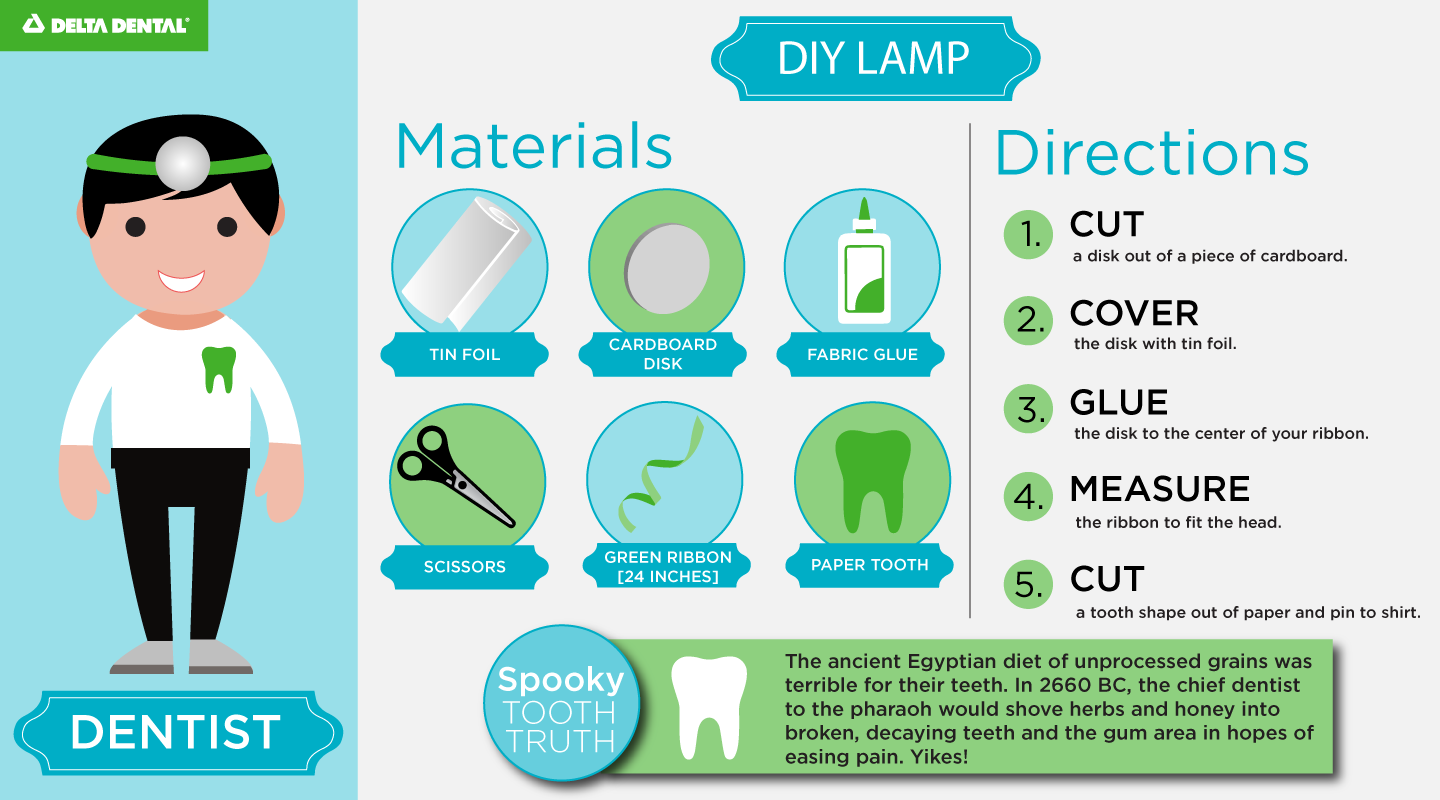
dentist costume for children

Halloween costumes don’t have to be complicated or intricate; all you need are a few supplies and some crafty spirit. Here’s 3 of our clever costumes to DIY, from a Tooth Fairy, to a vampire, to a dentist costume for children.

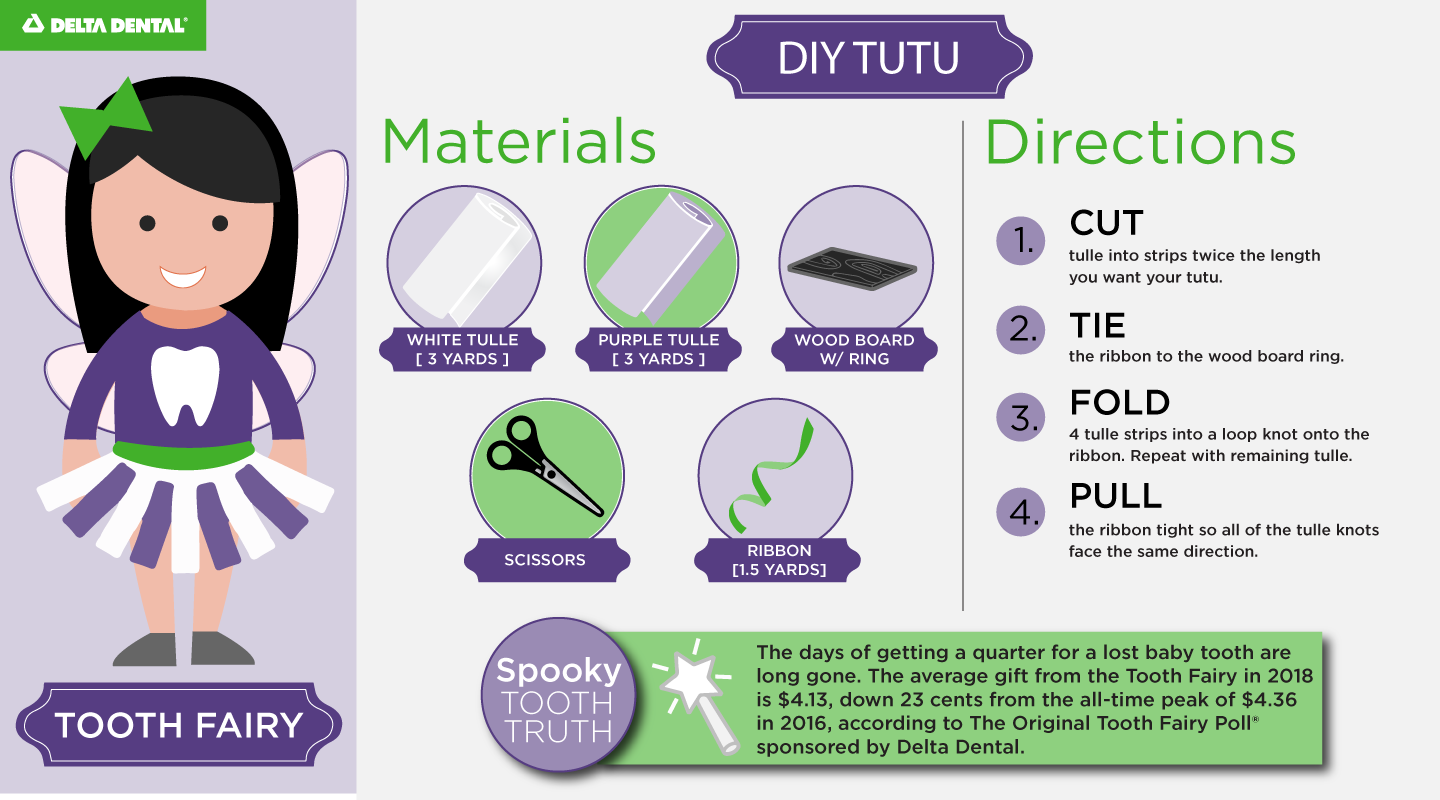
TOOTH FAIRY COSTUME FOR CHILDREN

This Tooth Fairy tutu is an easy costume that can be whipped up in a flash. If you know how to make a knot, you’ll have no trouble creating this magical costume!

DIY Tooth Fairy Costume Instructions and Materials

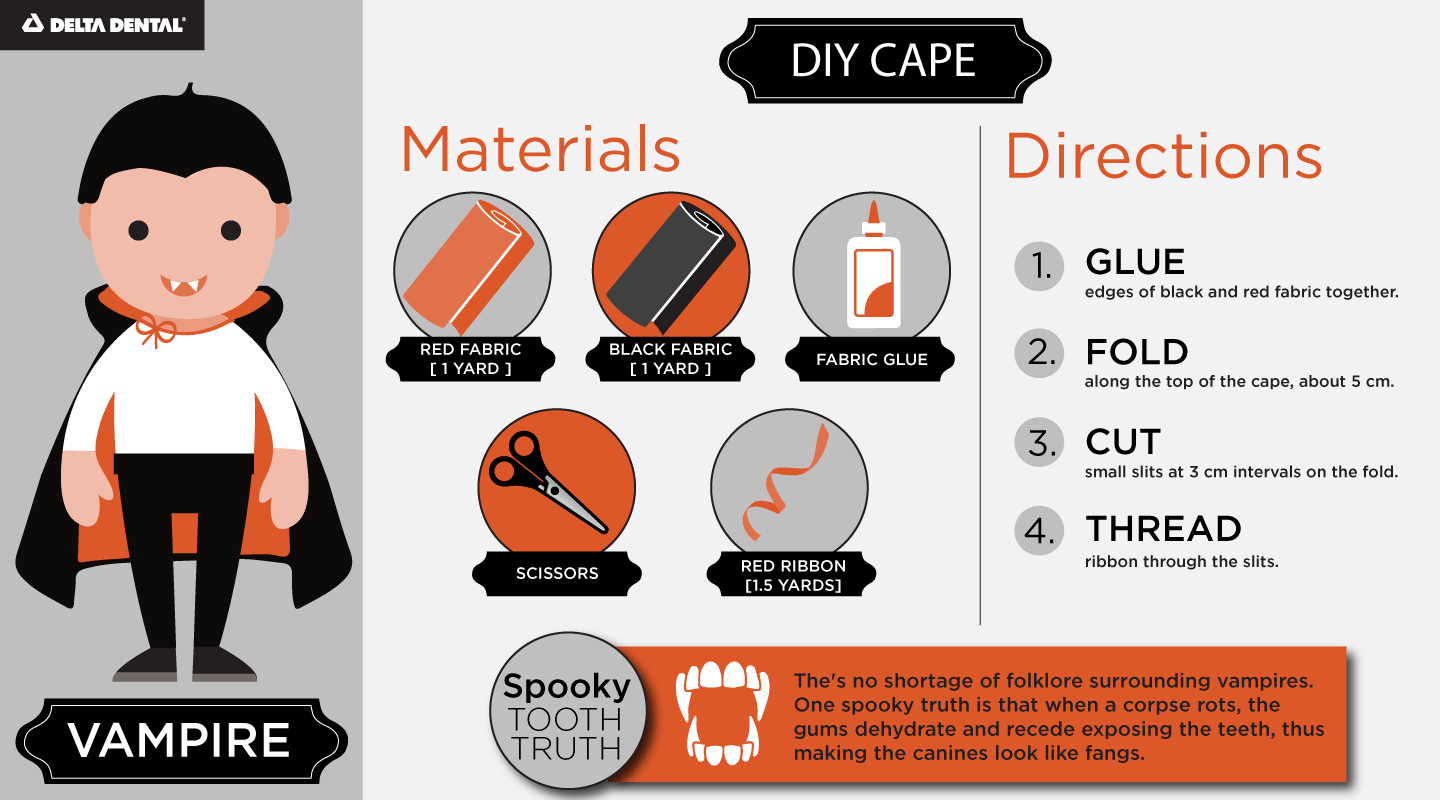
VAMPIRE COSTUME FOR CHILDREN

Vampires are known for their intimidating teeth, pale complexion and cape. Pop in the plastic fangs and make this DIY cape to turn your child into a miniature Dracula.

DIY Vampire Costume Instructions and Materials

DENTIST COSTUME FOR CHILDREN

If your child prefers a more realistic costume than mythical one, stay true to form with this dentist headlamp. It’s the perfect addition for an easy dentist costume for children.

Gadgets and Gizmos a Plenty: Dental Hygienist Tools

When it comes to dental cleanings, you probably know what to expect. If you were to put your checkup into words, it would probably sound something like this:

Pointy metal thingamabob.

Rinse.

Another pointy metal whatzit.

Floss.

Rinse again.

Spinning tooth-cleaning gizmo.

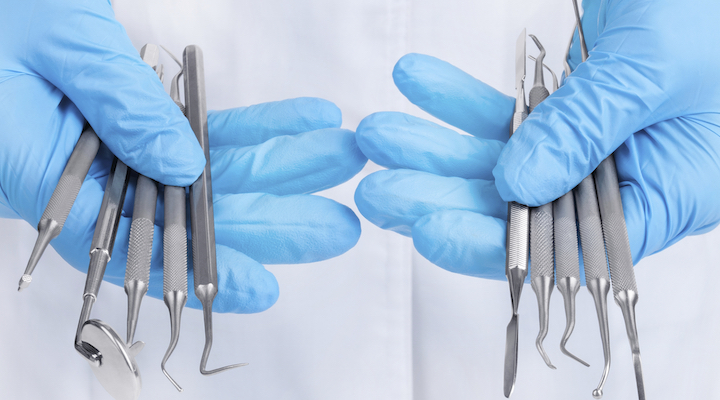
And those metal thingamabobs? Hygienists have (nearly) 20. But what are the actual names of the hygienists’ treasures? More importantly, how do these gadgets give your teeth that deep clean?

We’re here to clear up the confusion. Here are the basics: 

• Mirrors

Circular, handheld mirrors help hygienists see part of your mouth’s world. They can peer into nooks and crannies, as well as check for tartar and decay. These mini mirrors are used while the other metal tools do the dirty work.

 • Probes

Probes are made of metal and closely resemble a hook shape. Hygienists use it to check gum health and measure pocket depths around a tooth. There are various types of probes, each one geared towards a specific oral health issue. 

• Scalers

 Scalers are the metal instruments used to scrape away plaque and tartar from your teeth.

• Curettes

Curettes are another metal tool featuring a rounded end. Like scalers, they also scrape away tartar, but from underneath your gums.

• Polishers 

After the scaler and curette do their jobs, your hygienist will pick up the polisher. Much like a shoeshine, this tool buffs away uneven areas on teeth to leave a bright, smooth surface. Besides making your teeth shinier, polishers discourage plaque and tartar growth.

You might not be part of their world, but now you know (some of) what the hygienists know. If you want to learn more about your dental cleaning, ask them your questions — they’ll be happy to give you answers. 

When it comes to mouth tools, the dental hygienist truly is the person with everything!

5 Traditions to Fall for this Autumn

Many would argue that everything is better in autumn. Football fans come out of hibernation, crunchy leaves excite the senses, and pumpkin lattes comfort the soul. Celebrate the season with these 5 spins on traditional fall favorites: 

1. Bob for Apples 

Take a nosedive into a bucket full of apples! And, if you’re awarded best bobber, your teeth will win too. Apples have a high water content, which helps dilute the sugar they contain. Crunchy fruits require chewing, which stimulates saliva flow, thus reducing leftover food particles.

2. Candy < Corn 

Aw, shucks! Whether popped or on the cob, corn is one of our tooth-healthy fall favorites. Corn contains fiber, a mineral that can help reduce plaque. Additionally, popcorn contains high levels of polyphenols, a substance that suppresses tooth bacteria. 

Don’t get us wrong — we love an occasional handful of candy corn. But make sure to brush and floss your pearly whites afterward for a sweet smile.

3. Dress-up

 As long as it doesn’t get stuck in your teeth, lettuce is a scary-smart selection. Like apples, salad starters such as romaine and kale increase saliva flow, which helps eliminate plaque.

And if salad were a holiday, it would be Halloween. The lettuce is like an ordinary, routine day. But just like a costume, if you dress it up, it becomes a celebration! Dress up your lettuce — make a salad with fresh fruit or lean protein. You can also make your own homemade dressing. To keep teeth happy, try one of these low-sugar vinaigrettes.

4. Collect Candy

Candy is to Halloween as blood is to Dracula. Indulge the holiday’s temptations — to a certain extent! Many dentists participate in Halloween Candy Buyback programs. They’ll donate your extra candy or in some cases, pay you! Remember to save some for the family, but enjoy your sweet stash in moderation.

5. Carve Pumpkins

After you perfect your pumpkin, make your ‘jack a snack! Pumpkin pulp is filled with enamel-building Vitamin A, fiber and potassium. Keep those seeds in sight too —pumpkin seeds are a good source of magnesium, a nutrient that can strengthen teeth. Pump up your cooking game with one of these delicious recipes. 

Get out there and fall for the season (after you jump in a pile of leaves, of course).

Gluten-Free Grins: 3 Teeth Tips for Celiac Disease

Ah, the life of a celiac sufferer. Bread is your worst enemy and most coveted desire. Going “gluten-free” isn’t a fad for you — it’s your life.

For those of you with the condition, you know a celiac-friendly diet means more than just avoiding bread. Gluten sneaks into salad dressings, hot dogs and even beauty products! As you probably know too well, the tiniest gluten-containing crumb can cause a (painful) cross-contamination episode.

People living with celiac disease damage their intestines if gluten is digested. That intestine damage makes it hard to absorb key nutrients such as calcium and iron. Fortunately, by eating a gluten-free diet, those with the autoimmune disorder can reverse the damage.

But celiac disease affects more than just your food choices. Your teeth can suffer too.

Celiac disease can cause tooth discoloration, weak enamel and frequent canker sores. Oral health issues are nearly twice as common among adults and kids living with the disease. 

Now for the good news: There are ways to prevent future oral health problems and keep your smile healthy.

Try these 3 tips to get your gluten-free grin on:

 1. Be a picky pickier eater.

It’s easy to stick to your gluten-free diet, especially when you know the agonizing stomach pains that come after contamination. We know — it can be difficult when you’re dining out, but you’re not being high-maintenance! Go for it — ask the waiter if the breaded chicken fingers were cooked in the same fryer as your “gluten-free” fries. You’re protecting your body…and teeth.

2. Use the right products.

You already have your own toaster and frying pan separate from the family, what’s the harm in adding a few more products to your celiac-friendly collection? Even though you spit out most dental products, it’s easy for traces of toothpaste or mouthwash to remain in your mouth. Consult this list of 100% gluten-free personal products.

3. Tell everyone you know.

Does your dentist know you have celiac disease? It’s crucial for many reasons. The first guidelines for dentists were just published in 2011. In other words, celiac detection and protection is new to the dentistry world. If you were diagnosed during adulthood, and teeth damage has already been done, talk to your dentist. He or she may be able to recommend solutions for your tooth troubles.

And don’t forget to inform your family! Celiac disease is hereditary. In fact, first and second-degree relatives have a high risk of developing a gluten allergy or celiac disease. Make sure your family knows they’re at risk, as well as what common celiac symptoms look like.

If you or someone you know lives with celiac disease, visit celiac.org for more tips and information.

4 Ways to Nail School Picture Day

The school year is underway. New haircuts and freshly pressed clothes fill the halls. It must be that time again — picture day!

Closed eyes, forced smile, squinty face — these are all familiar photography faux pas. Skip the smile skepticism! With minimal coaching and a pinch of parental prep, your child’s “say cheese” can be accident-free:

1. Keep outfits simple.

Picture day ensembles should be comfy, simple, and of course — something they love. Light colors favor darker complexions while dark colors favor lighter complexions. Try to keep patterns to a minimum. Lastly, remember to pack an extra outfit in case of (clothing) emergency. 

2. Pack “safe” lunches.

Picture day times can be unpredictable. Time slots may fall after lunchtime — pack a meal that’s tooth-healthy and mess-free. Here are some lunchbox tips to get you started. 

3. Prep, don’t pose!

It’s difficult to smile on command, especially for kiddos. Take some practice snapshots at home. Don’t force stiff, unnatural poses. Give kids posture freedom and their smile will be picture-perfect. 

4. Embrace the imperfections.

Did the Tooth Fairy visit your house over the summer? Whether it’s a toothless grin or a mouth full of metal, encourage children to embrace their smile style. After all, it’s what makes them unique!

Now that your family is picture day-prepared, it’s time for school snapshots to take center stage! 

What is your most memorable picture day moment? Entertain us below!

Navigate Your Claim in 3 Easy Steps

Getting to the dentist can be hard enough. From taking time off of work to scheduling follow-up appointments, the last thing you want to worry about is the status of your claim.

That’s why we try to make it easy. Here’s what you need to know about navigating your claim: 

1. Understand Your Coverage 

A claim is the formal payment request submitted by your dentist (or care provider) to Delta Dental. We will then determine how much of the claim is covered by your plan. Avoid surprises — learn about your benefits before you go to the dentist.

If you have questions about your plan specifics, contact us today.

2. Access Your Claim

 You can access claim information using any one of the following methods: 

• Sign in to your online account

Log in to your account to manage your benefit plan from the comfort of your own home.

• Download our Mobile App (iTunes or Google Play)

Our app allows you to conveniently access your claims 24/7, right at the palm of your hand.

• Contact customer service at [email protected] or call 800-236-3712

 3. Understand Your Claim

You don’t have to be fluent in insurance lingo to understand your claim! We break down your claim in an Explanation of Benefits (EOB) that includes: the costs of your treatment, what your plan covers, and how much you may owe after coverage.

Still have questions? Don’t hesitate to ask!